Most local businesses don’t have a traffic problem, they have a confused website problem.
Somewhere along the way, the homepage became the digital version of a Swiss Army knife: trying to do everything, explain everything, sell everything and ultimately converting almost nothing.
And then the owner says the classic line:
“People are visiting the site, but no one is calling.”
Right. Let’s talk about why.
When you look at homepage vs service page local business, the gap isn’t subtle. It’s the difference between 1–3% conversion rates on homepages and 5–15% on service pages.
That’s not a tweak. That’s a personality change.
The Three Pages Every Local Business Website Needs
Most websites don’t need more pages, they need better roles for the pages they already have.
A clean local service website has three jobs:
- The homepage introduces you.
- The service page sells the job.
- The landing page converts the ad click.
That’s it. That’s the system.
Everything else is just noise pretending to be strategy.
This is where most businesses get tripped up on local business website structure SEO—they build everything like it’s all supposed to do the same job.
Spoiler: it’s not.
The Homepage: Your Digital Front Door, Not Your Sales Pitch
Let’s clear something up immediately.
Your homepage is not your “rank for everything” page.
It’s not your “list every service we’ve ever offered since 2009” page.
And it is definitely not your closing argument.
It’s the front door.
And the front door has one job: make it obvious what’s inside and where to go next.
A strong homepage answers three things fast: What do you do? Who do you help? Where do you work?
If someone has to scroll like they’re solving a mystery novel, the homepage has already lost.
The homepage is about direction, not detail.
And this is exactly why so many businesses ask why is my homepage not converting—because they turned it into a cluttered brochure instead of a guide.
The Service Page: Where the Money Stops Playing Games
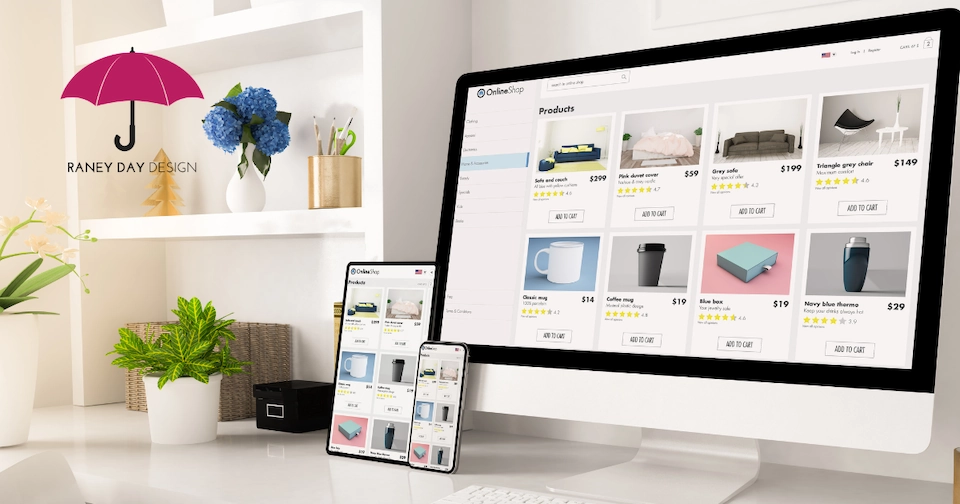
If the homepage is the greeting, the service page is the closer. This is where things either conver or quietly fall apart.
A service page exists for one reason: to own a single service and sell it properly.
Not vaguely. Not generically. Not “we also do this, that, and seventeen other things.”
One service. One page. One mission.
That’s how service page SEO actually works for home service companies in 2026.
So when someone searches “roof repair near me,” Google doesn’t want to send them to your homepage buffet of services. It wants a focused, relevant page that actually answers the query.
That’s how you win service pages for local SEO ranking.
And yes, this is also how you answer which page should rank for my service.
Hint: it’s not your homepage trying its best.
The Landing Page: The No-Distractions, No-Excuses Converter
Now let’s talk about the page most businesses misuse the most.
The landing page.
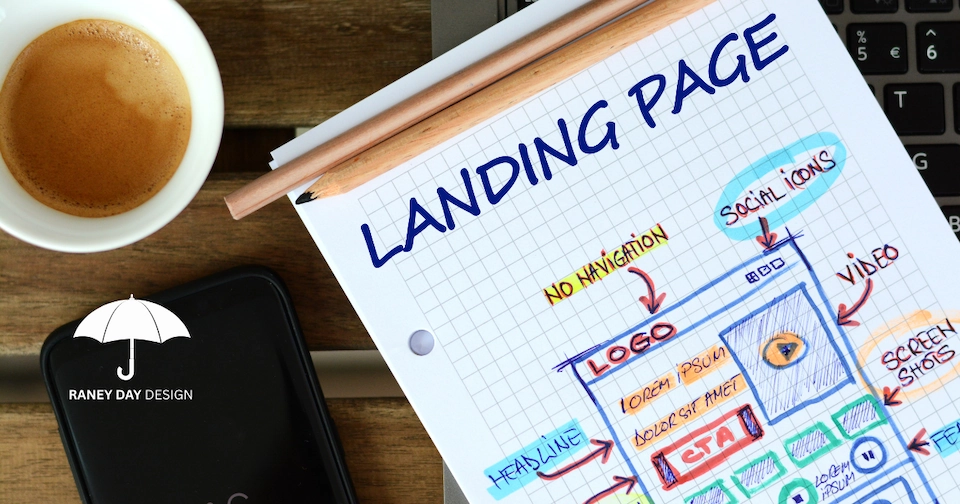
A landing page is not a service page in disguise.
A service page educates and persuades.
A landing page converts and eliminates distractions.
No navigation. No wandering. No “click around and get distracted by testimonials from 2018.”
Just one offer. One message. One action.
This is where landing page vs service page local business matters a lot.
Because if you send paid traffic to your homepage, you’re basically paying for attention… and immediately giving people a dozen other places to go.
That’s not marketing. That’s sabotage with a budget.
The Big Mistake Everyone Makes
Here it is. The classic move.
“We just put everything on the homepage so Google knows what we do.”
Cute idea.
Wrong outcome.
When a homepage tries to rank for plumbing, HVAC, remodeling, roofing, electrical, and “oh yeah we also do emergency calls,” it doesn’t become powerful, it becomes unclear.
And Google responds to unclear with: nothing happens.
No rankings. No traction. No authority.
That’s why homepage vs landing page local SEO confusion is so expensive. Businesses mix informational intent (homepage) with transactional intent (service pages) and wonder why neither performs well.
Google is not confused. Your website is.
What a High-Converting Service Page Actually Needs
A good service page doesn’t wander. It performs.
It should:
- Clearly state the service and location upfront
- Speak to the problem the customer is actually experiencing
- Build trust with real proof (not stock-photo people shaking hands in hard hats)
- Answer objections before they become hesitation
- Make the next step stupid simple
This is where high converting service page elements actually matter—clarity, trust, and direction.
Homeowners don’t wake up thinking, “I need a service provider today.”
They wake up thinking:
“Something is wrong. I need this fixed without getting ripped off.”
Your service page should speak that language, not corporate brochure language.
What a Homepage Actually Needs
Let’s simplify this.
A homepage should:
- Tell people what you do in one glance
- Show where you serve
- Give one obvious next step (call or click)
- Point people to service pages
That’s it.
The homepage is not the star of the show. It’s the host.
And when it tries to become the star, everything else gets messy.
That’s why improving homepage conversion rate local business performance almost always comes from removing clutter—not adding more sections.
2026 Reality Check: AI Search Doesn’t Reward “General”
Here’s where things are shifting fast.
AI-driven search and Google’s evolving systems are no longer rewarding broad pages that “kind of talk about everything.”
They’re rewarding specificity.
That means:
Generic service pages are fading.
Focused problem-based pages are rising.
This is why symptom-driven content is quietly taking over. Instead of:
“Plumbing services”
Winning pages now look like:
“Why does my water heater keep shutting off randomly?”
That’s the shift behind modern service page vs homepage local business strategy.
People don’t search for services first anymore.
They search for problems.
The Internal Linking Strategy That Holds It All Together
Here’s how it should flow:
Homepage → Service Pages → Conversion
Not:
Homepage → Everything → Confusion → Bounce
Your homepage introduces.
Your service pages rank and persuade.
Your conversion happens at the point of clarity.
Every service page should link back to the homepage for navigation, to related services for depth, and to contact for action.
That structure is what turns a website from “online brochure” into a lead engine.
Quick Audit: If Your Website Feels “Off,” It Probably Is
If you’re wondering whether your site is part of the problem, here’s a simple gut check:
- If your homepage is trying to explain everything, it’s doing too much.
- If your service pages are thin or missing, you’re losing rankings.
- If your ads go to your homepage, you’re wasting money.
- If your site feels cluttered, your conversions are confused.
That’s the pattern almost every time.
Need a little TLC for your site? Our care plans provide dedicated support for you and your business. We map out what you need to keep your website secure and healthy, giving you confidence that your website software is always up to date.
Your Website Isn’t Broken, It’s Misassigned
Most local business websites aren’t failing because of bad design or bad copy.
They’re failing because every page is trying to do the wrong job.
Once you separate the roles—homepage as guide, service page as closer, landing page as converter—everything starts working together instead of competing for attention.
And suddenly, traffic doesn’t just visit.
It converts.
Because clarity always beats chaos.
Always.